[Important For Primary 3-6 English Students & Their Parents]
Developed By Former MOE-HOD Dr. Daniel Chua
How we Apply our GEP Method to Help Countless Students Score Distinction for PSLE English
Through Critical Thinking Strategies, Proven Writing Frameworks, and Real Exam Insights – Not Shortcuts.
At Cognitus Academy, we don’t just teach English.
We teach your child how to take the English exam like a top scorer by reverse-engineering the most challenging questions from past year papers
As Featured On and Trusted by Students & Parents:


Emily enjoys the company of the classmates in Cognitus and she is self-motivated to complete her assignment with quality so as to win a thumbs-up from her tutor.”

Strongly recommend Cognitus to parents looking for a fun and effective English programme.”

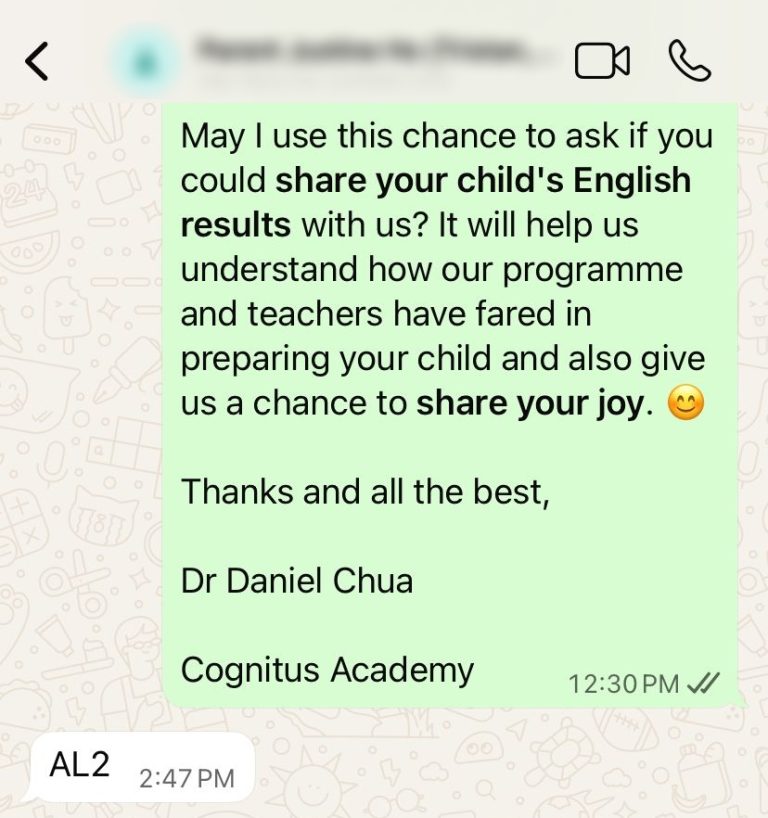
Cognitus helped him improve and prepare well for all his English test, including oral, situational writing, composition and comprehension. Thanks to Cognitus, he scored AL1 for English in his recent P5 exam.
I highly recommend Cognitus to my friends and relatives. This is an English enrichment centre that has caring teachers who will go into the details of which are your child’s areas of development and take constructive steps to help him/her improve.”


The approachable teachers and engaging lessons cultivated Cheryl to write and express better in English.
Most happy to see that she is motivated to learn and attend tuition classes weekly. Good effort!”



The Gap That Costs Students Marks (Even If Their English Is Good)
In Singapore, most students can already speak and read English fluently.
So why do so many still struggle to score well in exams?
Because the exam isn’t testing how well you speak English.
It’s testing how well you can apply it under exam conditions.
That’s why Cognitus students learn with the endgame in mind — mastering both foundation and exam technique through our proven 70/30 Method, combining rigorous practice with applied critical thinking.
Why Thousands of Students & Parents Choose Cognitus Academy
1. Reverse-engineered exam strategies from top schools
2. Score improvement tracking with data-driven reports
3. Mock exams harder than the actual PSLE paper
4. Proven results across 10+ years of AL1 achievers
My Children Speak English Well, So Why Do They Still Struggle To Score In English Exams?
Let’s get straight to the point.
In Singapore, most children can already speak and read English fluently. So why do so many still fall short in English exams?
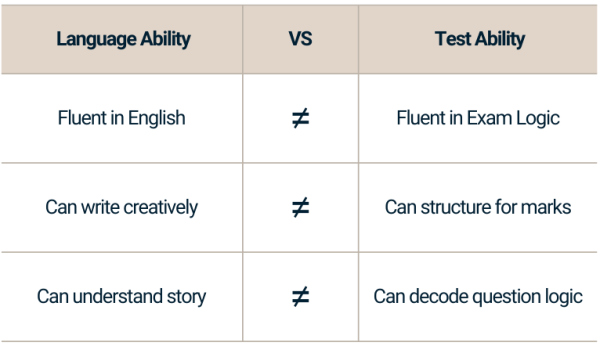
Because the problem isn’t language ability. It’s test ability.

English exams aren’t designed to simply test how well your child can speak, read, or write.
They test how well your child can think and analyse under exam pressure using the right structure, logic, and precision.
And that’s where most students lose marks.
They might write well, but not what the exam wants. They might understand passages, but not what the question is truly asking.
Many centres teach:
- Grammar rules
- Comprehension skills
- Writing techniques
But they often miss the bigger picture — how to take the exam strategically.
My Children Speak English Well, So Why Do They Still Struggle To Score In English Exams?
My Children Speak English Well, So Why Do They Still Struggle To Score In English Exams?
At Cognitus Academy, we call this “English Subject Hacking”.
At Cognitus, we call this “English Subject Hacking”. Don’t be shocked by this. It is the same as breaking down the exam into bite-sized building blocks and creating the best responses all the time for every exam question.
It’s how our students go from understanding English… to mastering the exam — and achieving AL1.
The Cognitus Academy Difference: We Don’t Just Teach English. We Conquer the English Exam.
At Cognitus, we’re not your usual English tuition centre.
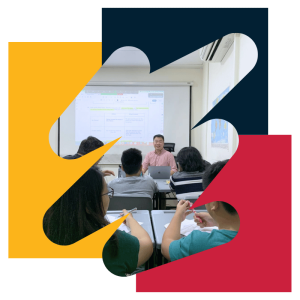
We’re a team of English Subject Specialists — educators who have spent years reverse-engineering exam papers to uncover what truly earns marks.
Every lesson, every drill, every practice paper is built from data gathered over 10 years of top-scoring results.
We don’t guess what works.
We already know what works — because we’ve broken down the exam from the inside out.

The 70/30 Method — Our Secret Formula & Roadmap To AL1
Every English exam is a game of precision.
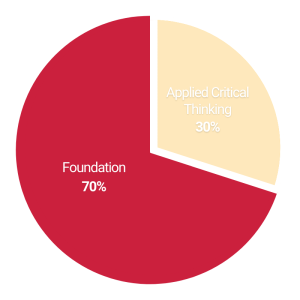
At Cognitus Academy, we’ve broken that game down into a repeatable formula: 70% Foundation + 30% Applied Critical Thinking.
This balance helps students move beyond practising blindly — to understanding why answers score marks and how to replicate that success every time.
The 70%: Foundation and Practice
Strong fundamentals still matter.
This is where most students can reach AL3–4 with consistent practice.
Our lessons strengthen:
- Grammar and sentence accuracy
- Vocabulary range and word precision
- Comprehension logic and answering techniques
- Structured writing and planning skills
These build the base layer — the essential foundation to aim towards AL1
The 30%: Applied Critical Thinking (The Cognitus Edge)
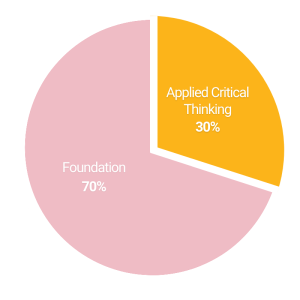
Here’s where our students break through to AL1.
We train students to think like examiners — not just writers or readers.
This means learning how to:
- Identify the hidden logic behind each question
- Predict what examiners expect
- Analyse patterns and question types top schools use to stretch their top students
- Apply reasoning in both comprehension and composition
This is what we call Applied Critical Thinking — the ability to read, reason, and respond like a top scorer.
The Results?
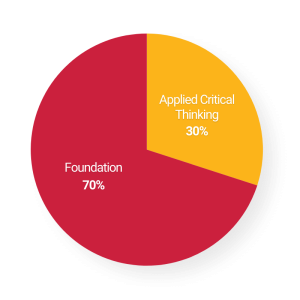
70% gives you skill.
30% gives you mastery.
Together, they make PSLE English exams feel less like a challenge — and more like a solved puzzle.
Once your child masters the 70/30 Method, the PSLE English paper feels less like an exam and more like a familiar pattern they already know how to solve.
10 Years of Turning English Exams Into a Winning Formula
For the past decade, Cognitus students have been consistently outperforming national averages — not by luck, but by design.
Every distinction we celebrate is the result of one proven system: reverse-engineering the English exam and training for test ability.
The Results Speak for Themselves.
Our Track Record:
⭐ 10 years of exam-proven success
⭐ Students from all backgrounds achieving Distinctions
⭐ Consistent 2–3 grade improvements within one term


The Cognitus Learning Cycle: How We Build Exam Results
A proven 4-step system grounded in data, logic, and deliberate practice.
Step 1: Diagnostic Screening
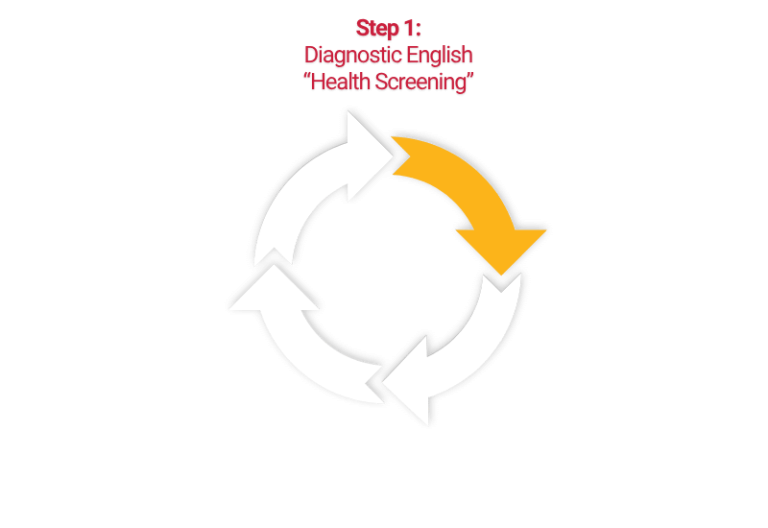
Every student begins with a full diagnosis of reading, writing, and comprehension.
You’ll receive a Scorecard & Analysis Report showing exactly where marks are lost and which skills matter the most.
It works just like a health screening — but for English test ability.
Step 2: Targeted Skill Training
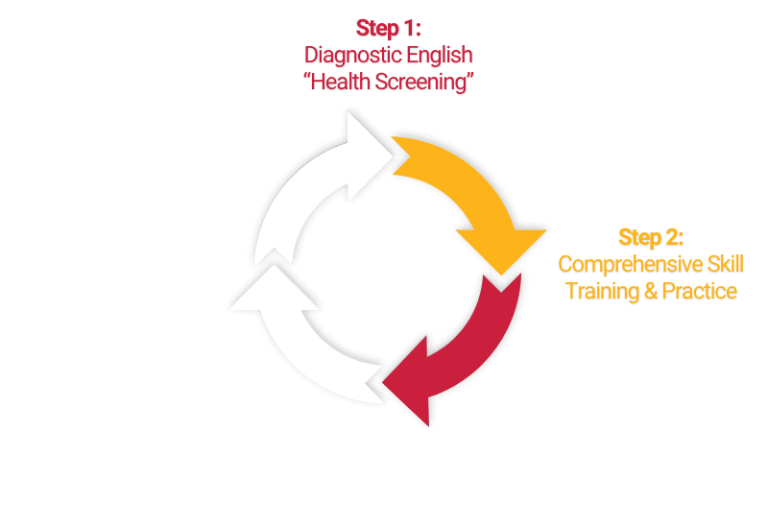
Using the diagnosis, we build a customised lesson plan to fix weaknesses.
Each week focuses on:
- Composition improvement (3 Drafts 4 Stories)
- Comprehension logic training
- Vocabulary through applied context
- Writing techniques aligned with AL1 marking criteria
No rote memorisation. Just real exam skill building.
Step 3: Killer Mock Exams
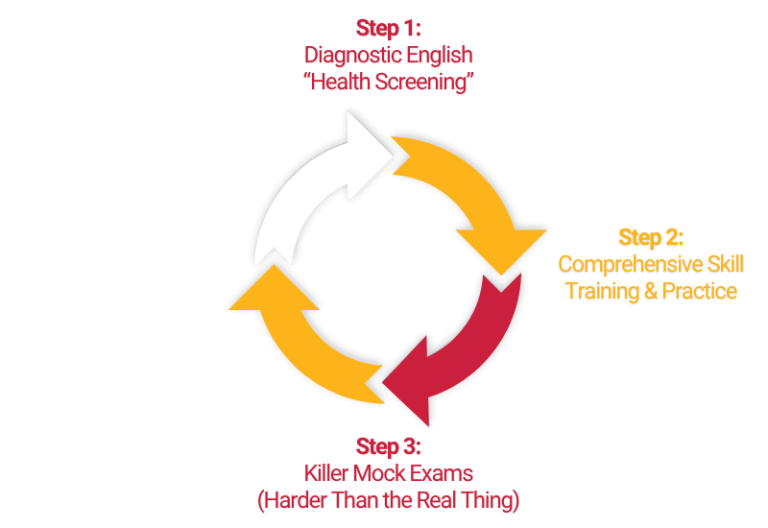
Students sit for tougher-than-school mock exams.
This trains them to perform under pressure so the real exam feels easier.
In our system:
Cognitus AL4 = School AL2 = PSLE AL1
Step 4: Review → Refine → Repeat
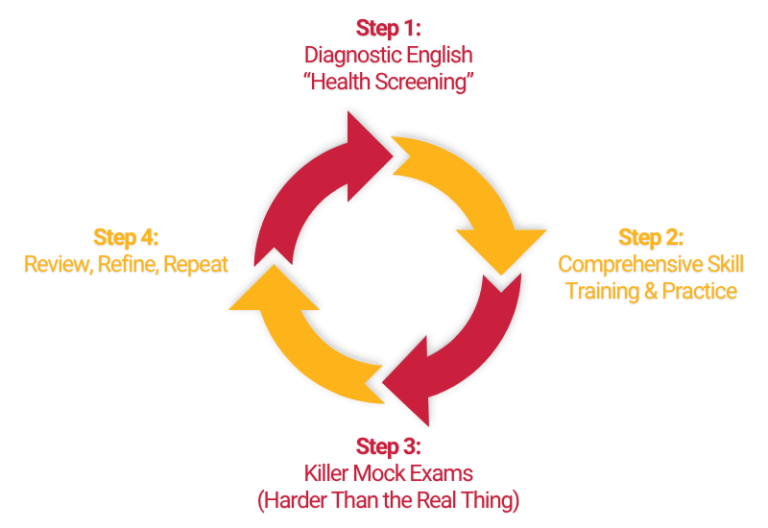
Every student receives a personalised progress report.
You’ll know:
- How skills improved
- What still costs marks
- What’s needed to reach AL1
No guesswork. Just measurable improvement.
Cognitus Academy's Primary Writing Programme
Where Students Learn to Write High-Quality, Exam-Ready Compositions
Our Writing Programme helps students who struggle with planning, developing, or expressing their ideas clearly. Using our Critical Reading & Writing (CRW) Strategy, students master the exact techniques needed to score in Continuous Writing.
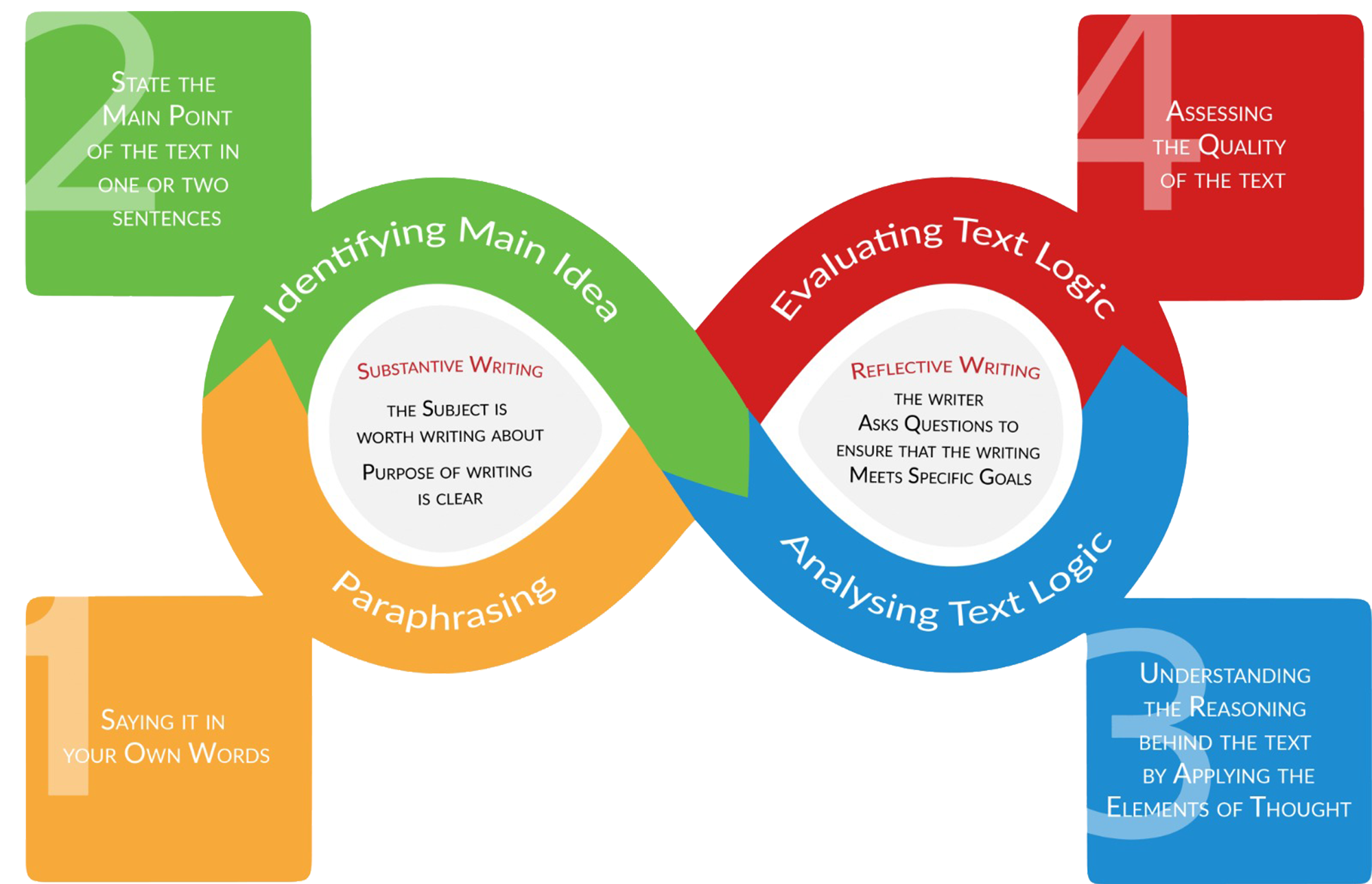
Two Structured Approaches to Stronger Writing
Together, they train students to become independent, confident writers who can consistently produce high-quality compositions.
Substantive Writing

Students learn to express ideas clearly, purposefully, and logically.
This includes:
• Analysing the writing task for clear objectives
• Identifying the significance of the writing task
Reflective Writing

Students build the ability to evaluate and refine their own work.
This includes:
• Identifying gaps in their stories
• Improving tone, language, and clarity
• Understanding how to edit for marks
The Three-Draft System
Every composition is completed in three drafts. Each draft receives targeted feedback from our teachers to build depth, accuracy, and expression.
This systematic process helps students see measurable improvement in their writing and understand exactly how to earn more marks.
Draft 1
Plot direction, idea development, and structural issues
Draft 2
Strengthening of vocabulary, flow, and logical progression
Draft 3
Refine accuracy, polish language, and prepare the piece for exam conditions.
What Your Child Will Master in Our Writing Programme

Writing Skills Covered in the Programme
Students learn the full range of writing techniques required for Continuous Writing success, including:
• Effective planning and question analysis
• Crafting stronger introductions and conclusions
• Building complex, fully developed characters
• Applying “show, don’t tell” through sensory description
• Setting scenes with clarity and purpose
• Writing dialogue accurately and meaningfully
These skills ensure that students can produce compositions that are well-organised, engaging, and aligned with PSLE marking expectations.
How We Apply the CRW Strategy in Writing Lessons
The Writing Programme is delivered through two components:
Writing Jump Start Programme
A skills-intensive module that introduces the essential writing techniques students need before starting regular lessons. Students build foundational skills in planning, characterisation, description, and expression.
Regular Writing Programme
Weekly writing-intensive lessons where students apply techniques learned during the Jump Start Programme. Students refine their writing through continuous practice, detailed teacher feedback, and guided drafting.
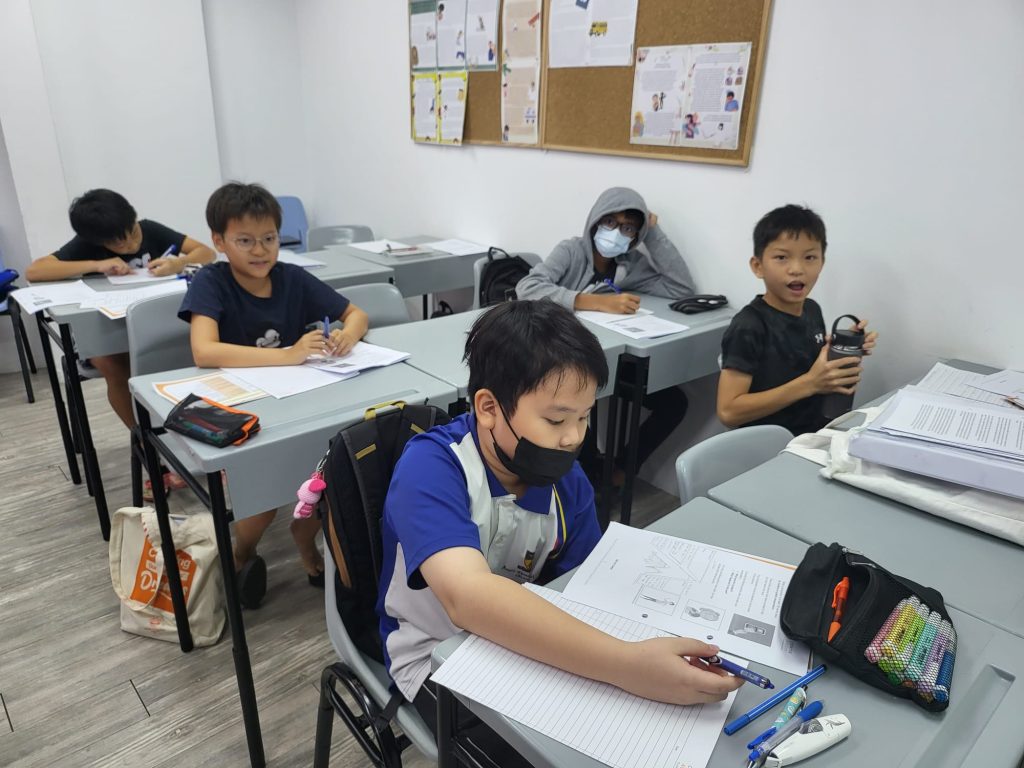
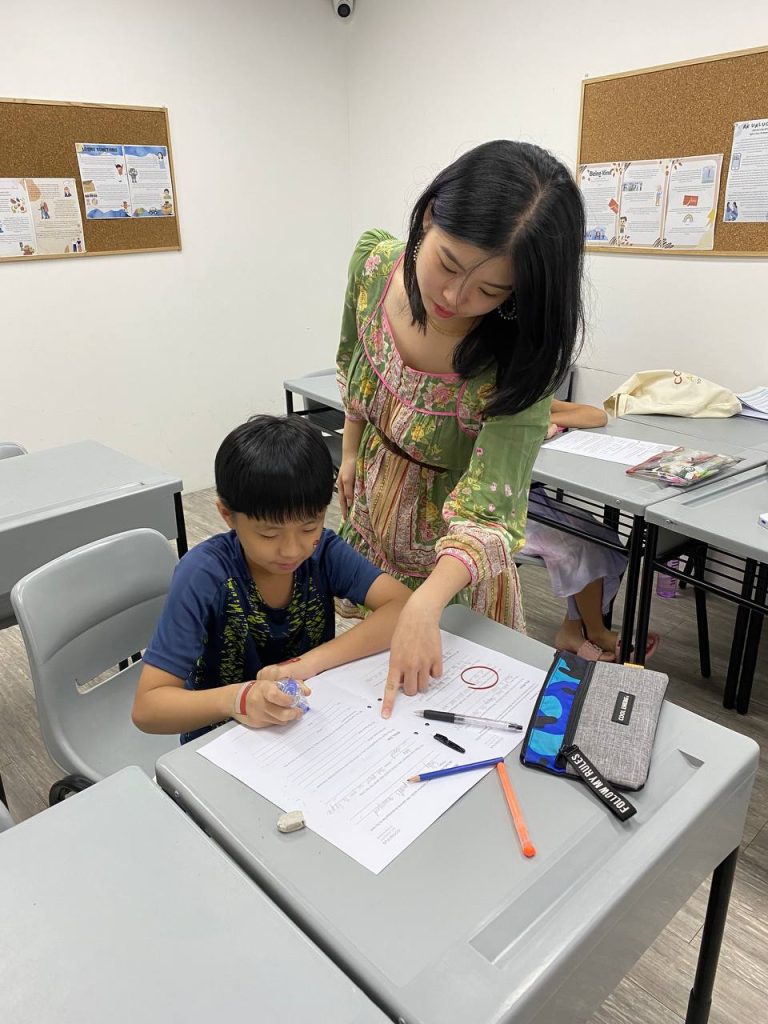
Our teachers provide constructive, individualised feedback on every draft, highlighting both strengths and areas for improvement. This builds stronger writing habits, better self-review skills, and greater confidence.

What Students Gain
• Stronger, more coherent story structure
• Greater confidence in expressing ideas
• Improved creativity and detail in writing
• Ability to edit and refine their own work
• Higher scores through clearer, more precise writing
The programme equips students with the skills and discipline needed to excel in Continuous Writing and score at the highest levels in PSLE English.
Find Out If Your Child Qualifies
Is Your Child Ready to Ace Their English Exams?
Our methods work best for students who are serious about improvement and willing to put in the effort.
If your child has the drive and ambition to reach AL1, Cognitus Academy will show them exactly how to get there.
We accept students who:
✅ Have a basic foundation in English
✅ Are ready to commit to consistent practice
✅ Want to apply higher-level thinking to score better
✅ Are aiming for top-tier exam results (AL1/A1, IP, or IB readiness)
Your Next Step:
Find out if your child is a good fit through one of these options:
Option 1: Free Consultation
→ Meet our academic team and get your child’s English performance assessed.
→ We’ll review their recent papers and identify the fastest path to improvement.
Option 2: Trial Class
→ Join a trial lesson to experience how our lessons break down real exam papers, model answers, and writing techniques.
→ After the class, you’ll receive feedback on your child’s strengths and areas for improvement.

Bonus:
You’ll also get our English Exam Scorecard— a sample of how we evaluate each and every skillset required to score AL1 in English
Stories Of Our Successful Students:


About Cognitus Academy
Teaching English with logic, strategy, and precision.
Cognitus Academy was founded by Dr Daniel Chua, a former MOE teacher and English specialist, with one mission: to help students master English through applied critical thinking and exam-focused learning.
Over the past 10 years, Cognitus Academy has helped hundreds of students achieve top results in PSLE, O-Level, and IP/IB English – not through rote memorisation, but through understanding how the exam truly works.
Our team of trained educators continues to refine and evolve the Cognitus system each year, ensuring it stays aligned with MOE standards while preparing students for the realities of high-stakes exams.
At Cognitus Academy, we don’t just build English skills. We build exam-ready thinkers who know how to analyse, reason, and write like top scorers.
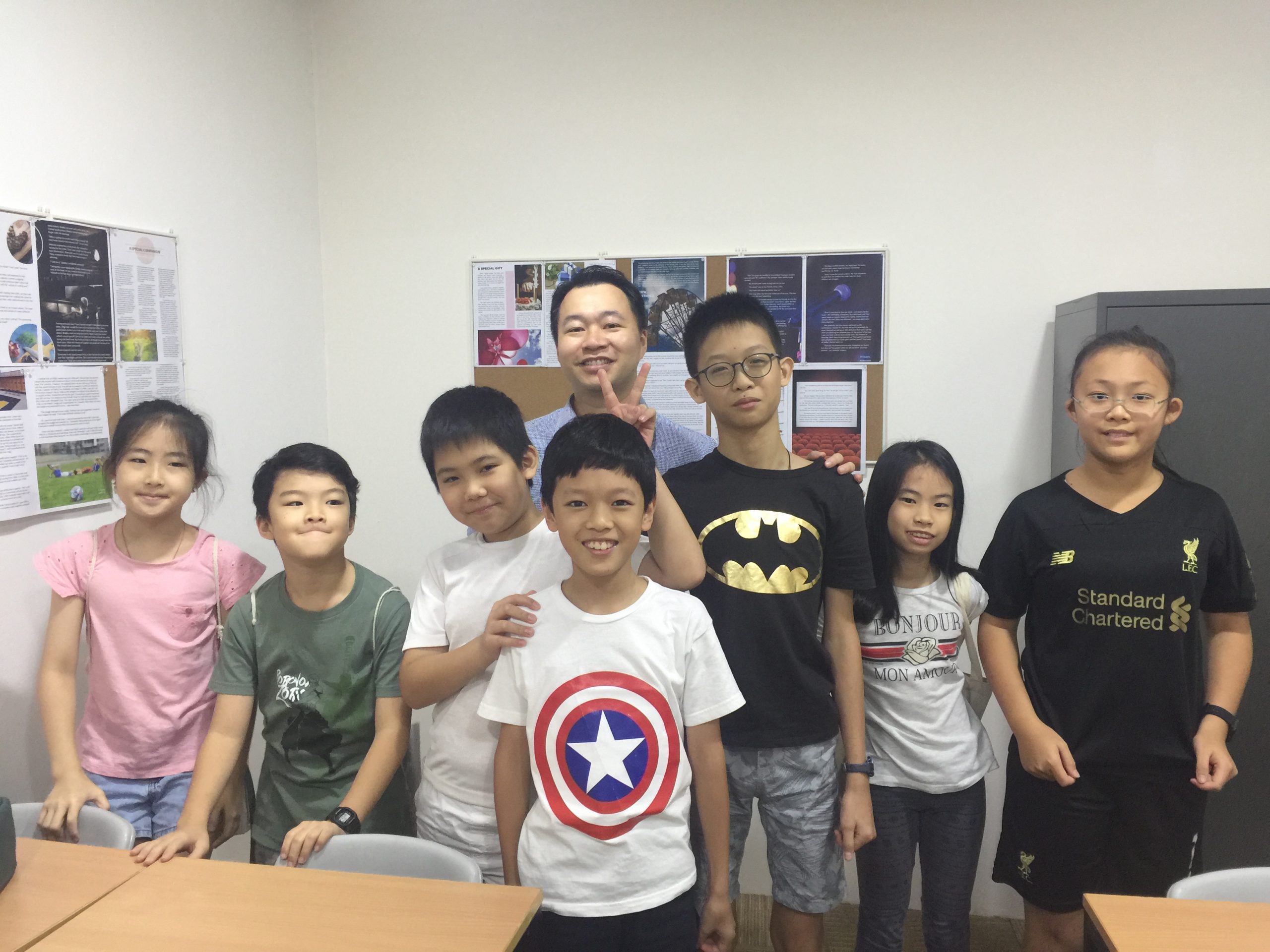
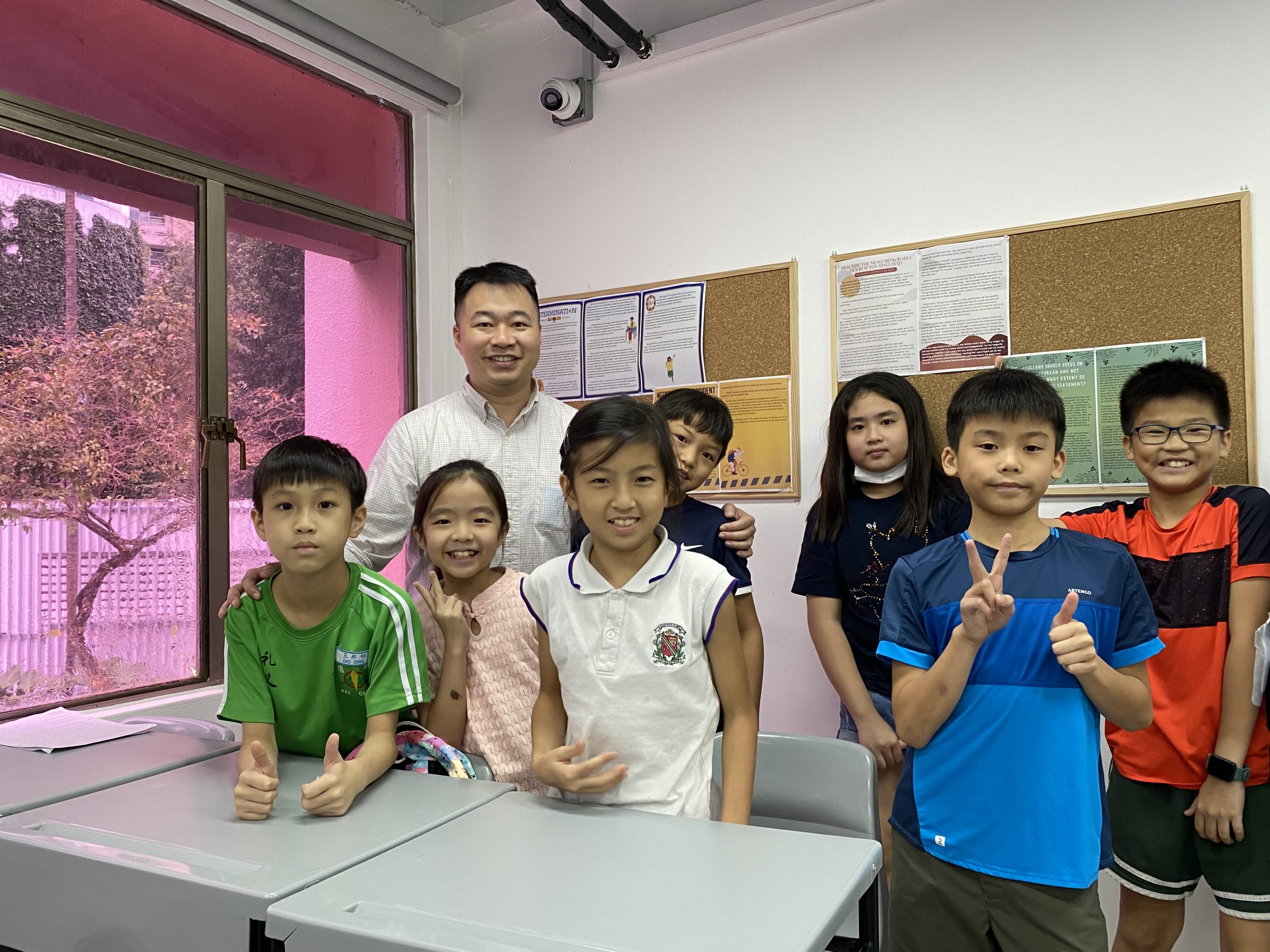
Our team of trained educators continues to refine and evolve the Cognitus system each year, ensuring it stays aligned with MOE standards while preparing students for the realities of high-stakes exams.
At Cognitus Academy, we don’t just build English skills. We build exam-ready thinkers who know how to analyse, reason, and write like top scorers.
More Student Success Stories